A 25-year-old video patent just expired, ending a legal headache for Linux
Mirrored from Hacker News — AI on Front Page for archival readability. Support the source by reading on the original site.

Since beginning his writing career, he has written for many different publications such as WorldStart, Listverse, and MakeTechEasier. However, after finding his home at MakeUseOf in February 2019, he would eventually move on to its sister site, XDA, to bring the latest and greatest in Windows, Linux, and DIY electronics.
Getting media to work on Linux is more complex than you may think. Not because of the technical aspects (although that, too, is pretty tricky), but because of the legality of distributing proprietary software and patent-encumbered codecs. While companies like Microsoft can grab a license and bake the tech into their products, it's a lot less feasible for Linux distributions designed to be freely downloaded and redistributed.
Linux developers have used workarounds for this limitation for decades now; if you've ever downloaded a Linux distro and then spent some time enabling third-party repositories to get multimedia codecs, you already know what it's like. But one patent from 2001 prevented DivX videos from being patent-free worldwide, and the good news is, it has just expired.
Siemens AG filed a patent back in 2001
Its patent family would linger for over 25 years

Our story begins back on April 9th, 2001, when Siemens AG filed the Brazilian patent BR PI0109962-0, titled "process for storing and processing image information from successive images over time." This patent was listed as part of the MPEG-4 Visual Patent Portfolio, which was administered by MPEG LA, which would later become the Via Licensing Alliance.
For years, these patents held true. In fact, in an MPEG LA PDF document from October 2025, you can see the final two unexpired patents on the very first page. The first is Dolby, which held patent BR PI0113271-7; this one expired on January 26, 2026. For the rest of 2026, the only thing stopping the tech from being patent-free worldwide was that one Siemens AG patent.
Finally, on July 19, 2026, the Siemens AG patent expired. With that patent gone, it removed the final patent obstacle preventing worldwide patent-free status.
It wasn't a huge problem for the Linux community, but it was there
And having no problems is better than a small problem

The reason why this was a cool milestone in the Linux community is down to how the law handles these technologies. See, Xvid is a weird case where the software is free and open-source, but there were laws covering what you could actually do with it. So yes, the Linux community had access to the software just fine, but the rights holders asked for royalties for MPEG-4 decoders and encoders sold and made in specific countries.
That's not to say that the Linux community hit a brick wall when it came to publishing Xvid support. In fact, Fedora published xvidcore back in 2023, even when the patent was still alive and kicking. But that didn't mean the Brazilian patent was worthless; it meant that people could distribute MPEG-4 Part 2 without worrying about any legal issues at all.
Not much will change for Linux users or with MP4 patent laws
You probably won't notice anything different if you're outside Brazil
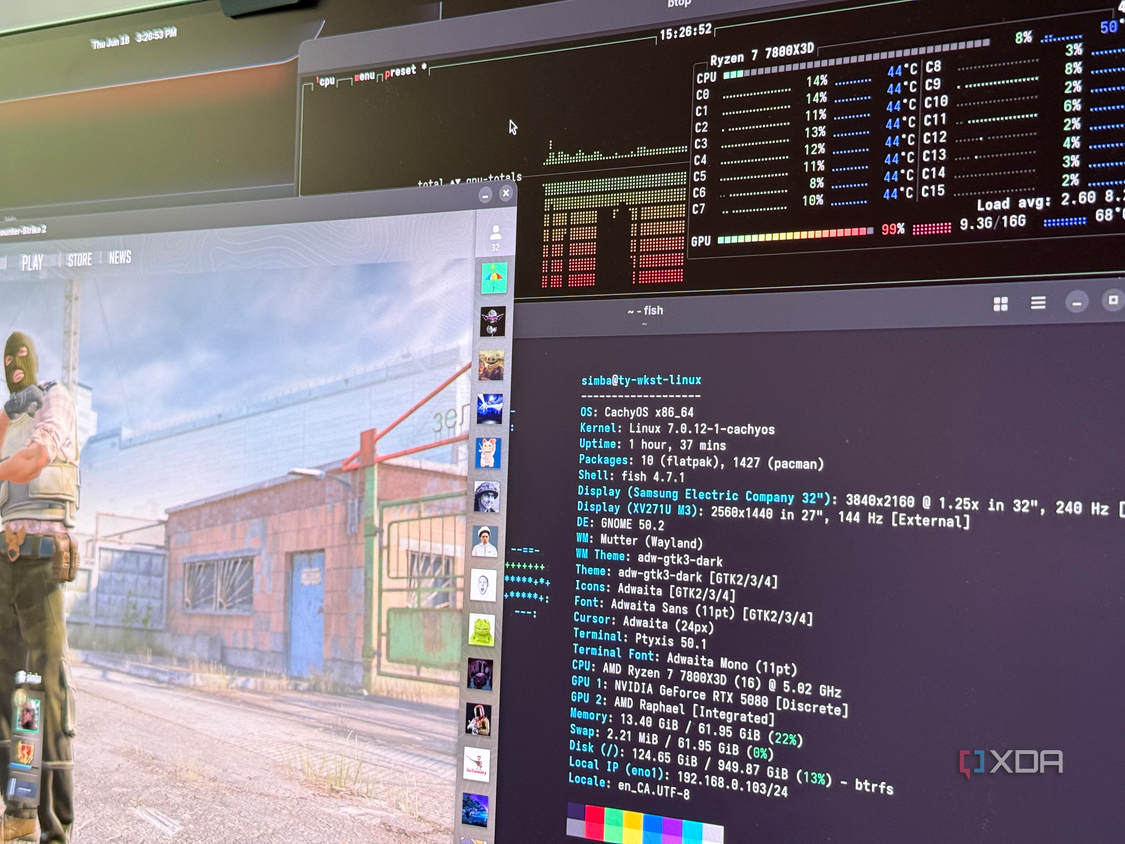

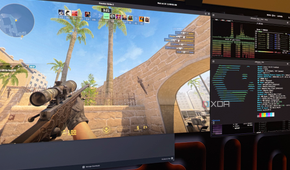
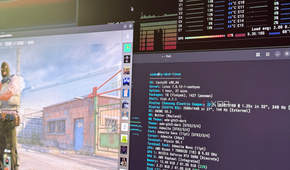
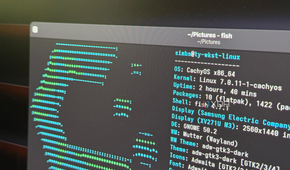
So does this mean that every single MP4 file has now broken free of its patent prison? Well, no. This specific patent covered MPEG-4 Part 2. The videos we watch on modern systems using H.264/AVC tech are running off MPEG-4 Part 10, and that is still very much covered by patents. So, yeah, the Linux community isn't free to take the MP4 format and run with it wherever it pleases.
However, this does mark the end of a hanging legal issue that has finally come to an end a quarter of a century after it was set. It may not revolutionise the Linux scene, and you may not even notice that anything changes in your daily workflow, but it's a cool insight as to how the open-source community has to work around these restrictions.
Brazil's MPEG-4 Part 2 patent didn't change a lot, but it's still good that it's gone
At the end of the day, Brazil's patent didn't do a whole lot to stymie Linux. Distros like Fedora distributed the codex anyway, and it didn't come under fire with legal issues. However, it is an interesting insight into how a single patent made 25 years ago can act as a minor headache to the open-source community 25 years down the line.
Discussion (0)
Sign in to join the discussion. Free account, 30 seconds — email code or GitHub.
Sign in →No comments yet. Sign in and be the first to say something.